

Description
𝐖𝐀𝐑𝐍𝐈𝐍𝐆: 𝐈𝐟 𝐲𝐨𝐮 𝐚𝐫𝐞 𝐧𝐨𝐭 𝐬𝐜𝐚𝐫𝐞𝐝 𝐨𝐟 𝐦𝐚𝐤𝐢𝐧𝐠 𝐲𝐨𝐮𝐫 𝐜𝐡𝐢𝐥𝐝 𝐟𝐚𝐥𝐥 𝐢𝐧 𝐥𝐨𝐯𝐞 𝐰𝐢𝐭𝐡 𝐩𝐡𝐲𝐬𝐢𝐜𝐬 𝐚𝐧𝐝 𝐚𝐬𝐤 𝐲𝐨𝐮 𝐚 𝐭𝐨𝐧 𝐦𝐨𝐫𝐞 𝐪𝐮𝐞𝐬𝐭𝐢𝐨𝐧𝐬 𝐰𝐡𝐞𝐫𝐞 𝐲𝐨𝐮 𝐟𝐢𝐧𝐝 𝐲𝐨𝐮𝐫𝐬𝐞𝐥𝐟 𝐥𝐢𝐤𝐞 𝐚𝐧 𝐞𝐱𝐜𝐢𝐭𝐞𝐝 𝐭𝐞𝐞𝐧 𝐥𝐨𝐨𝐤𝐢𝐧𝐠 𝐟𝐨𝐫 𝐚𝐧𝐬𝐰𝐞𝐫𝐬, 𝐭𝐡𝐢𝐬 𝐚𝐧𝐢𝐦𝐚𝐭𝐞𝐝 𝐛𝐨𝐨𝐤 𝐢𝐬 𝐟𝐨𝐫 𝐲𝐨𝐮!
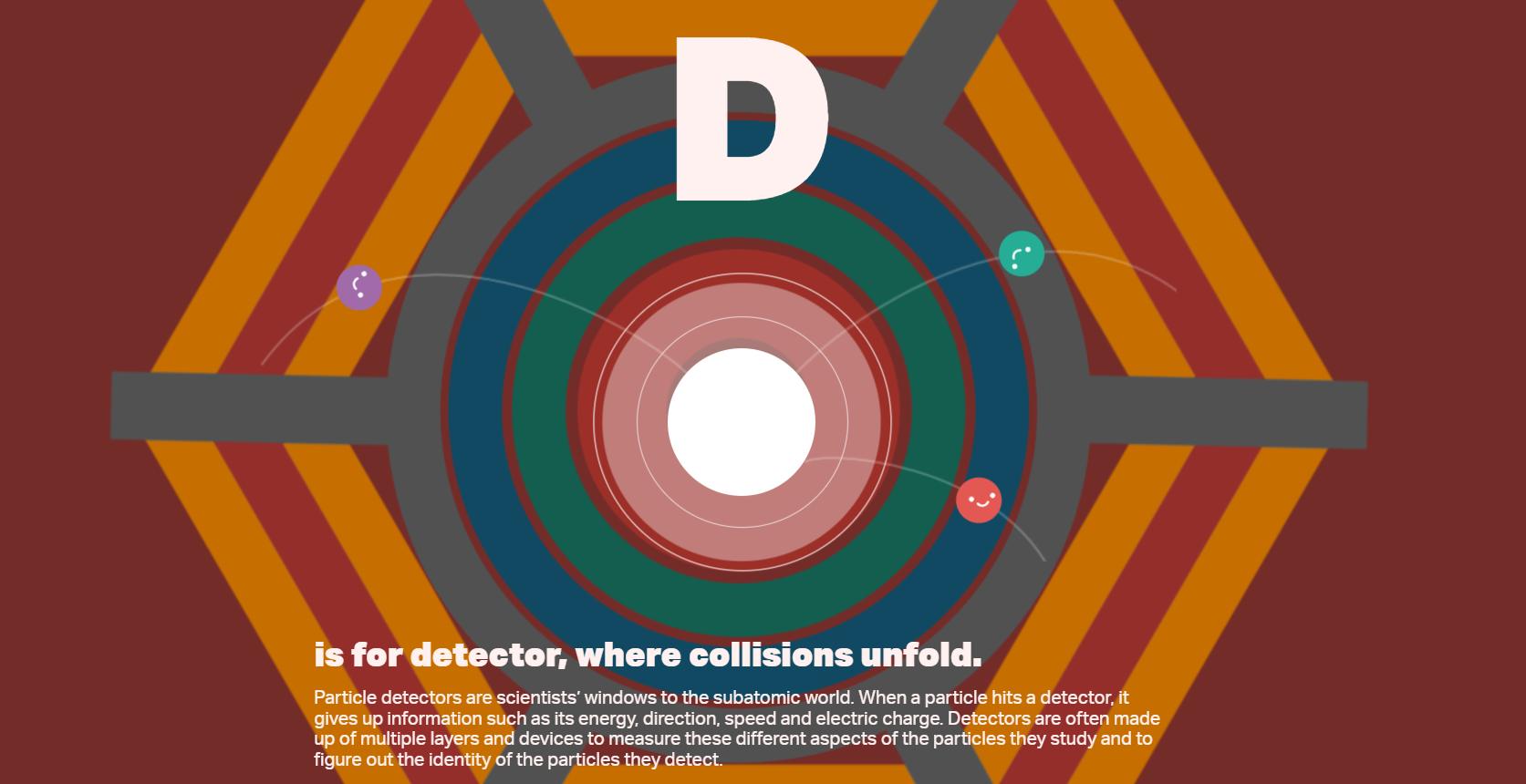
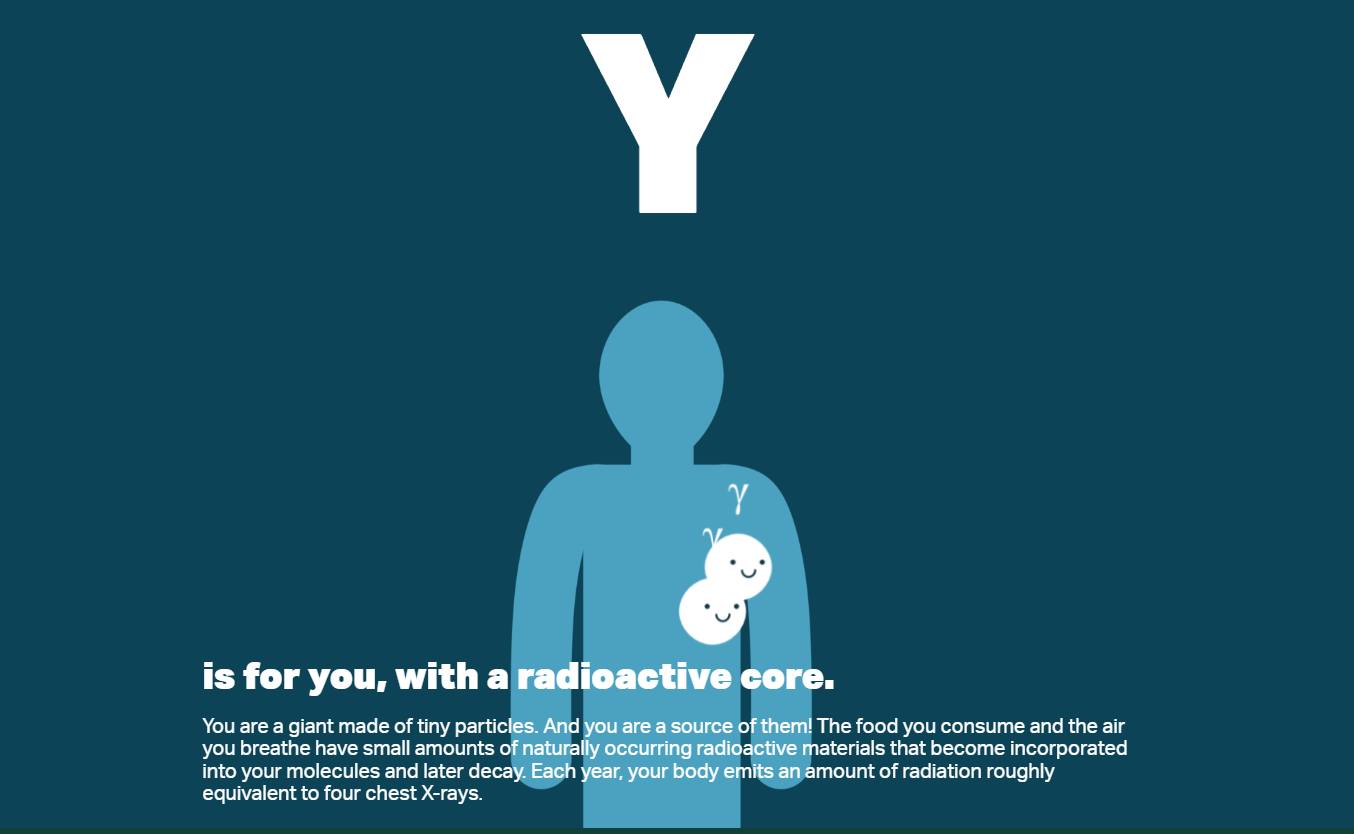
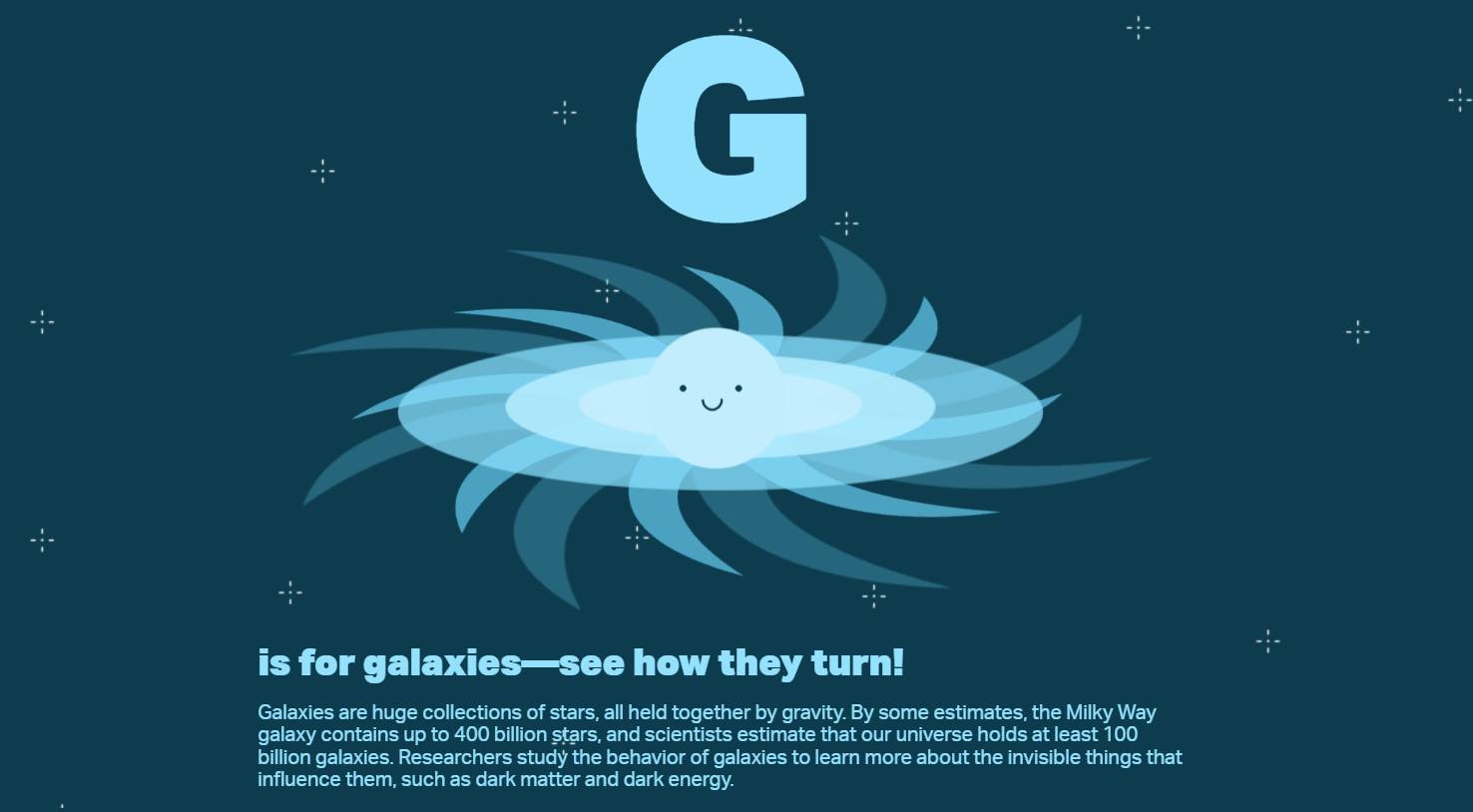
The ABCs of Particle Physics, written by Lauren Biron and Chris Smith, takes your whole family on a journey through some of the most important concepts in physics.
Here you will understand more about particle physics like quarks, leptons, neutrinos, the Standard Model (our best theory of the fundamental building blocks of nature) and much more.
Along the way, you will learn that “S is for supernova. Supernovae are exploding stars. They emit much of their energy in invisible neutrinos, but they still shine brightly enough to temporarily eclipse entire galaxies in the sky. Certain types of supernovae explode with a predictable level of brightness. Scientists have used these types of supernovae to figure out how quickly the universe is expanding.”
“And L is for leptons. The leptons are a family of subatomic particles. The best-known lepton is the electron. Other leptons include heavier versions of the electron called muon and tau particles, and a group of three almost massless particles called neutrinos. Unlike some other particles, leptons don’t combine with one another; they like their personal space.”
The book has been developed by Symmetry magazine, which is jointly run by the SLAC National Accelerator Laboratory and Fermi National Accelerator Laboratory, both in the US.
From the Symmetry website: “Use it as an illustrated guide to basic particle- and astrophysics terms, or read it to your infant at bedtime, if you don’t mind their first word being quark.”
I love love love the animated pictures. I really wish this book had come into my hands when I was a budding scientist!
Reviews
There are no reviews yet.